Source low dust clumping cat litter for Indoor Use, Outdoor Use, and Pet Cage
Find 30 verified options for low dust clumping cat litter featuring customizable sizes and scents. Buyers can compare Bentonite and mineral sand variants with fast clumping and odor control for indoor, outdoor, and cage applications.
Key considerations
Products List






Comprehensive Sourcing Guide
Strategic Sourcing Guide for Low Dust Clumping Cat Litter
Understanding the Technical Landscape of Bentonite and Mineral Variants
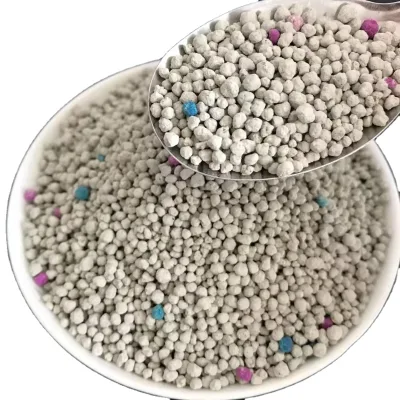
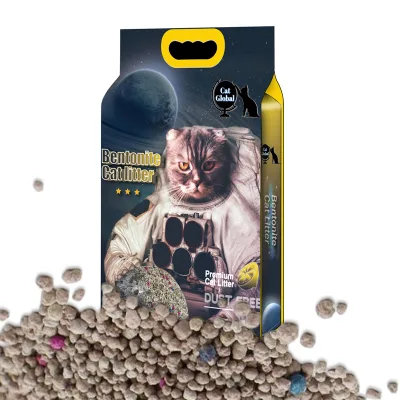
Sourcing low dust clumping cat litter requires a deep understanding of the material science behind the product, as the market offers distinct variations in composition and performance. The core keyword "low dust clumping cat litter" typically points to products derived from bentonite clay or mineral sand, which are engineered to absorb moisture rapidly while forming tight clumps for easy removal. In the current supply chain, the material composition is a primary differentiator. Buyers will encounter products explicitly labeled as "Bentonite" or "Mineral Sand," both of which serve as the foundational ingredient for these cleaning solutions. The physical structure of the litter is equally critical; the shape can range from crushed granules to ball-shaped pellets, with the crushed variety often offering a higher surface area for absorption.
The performance metrics for these products are defined by specific operational attributes. The clumping mechanism must be fast, ensuring that waste is encapsulated immediately upon contact with liquid, which is essential for maintaining hygiene in multi-cat households. Simultaneously, the dust control feature is paramount for respiratory health. Products in this category often undergo specific surface treatments designed for dust control, with some specifications claiming a 99% dust-free status. However, buyers must verify that "low dust" claims are backed by actual testing rather than marketing terminology. The absorption rate is another technical specification that varies; high-performance variants boast a fast absorption rate, which correlates directly with the clumping speed. The particle size standard is another technical parameter to consider, with some products adhering to a specific size range of 0.5-2.5MM, which influences the texture and tracking potential of the litter.
Compliance, Certification, and Safety Verification Protocols
When evaluating suppliers for cat litter, compliance and certification serve as the primary gatekeepers for product safety and market access. The most prominent certification observed in the supply chain for these products is the MSDS (Material Safety Data Sheet). This document is essential for verifying the chemical composition and safety handling procedures of the litter, particularly when dealing with mineral-based products that may contain silica or other natural minerals. Buyers should insist on receiving the MSDS for any batch of bentonite or mineral sand litter to ensure it meets international safety standards. Beyond the MSDS, the product's ingredient list must be scrutinized. While some products are marketed as "Natural" or "Plant Based," the core low dust clumping category often relies on mineral sand or bentonite. It is crucial to distinguish between products that are purely mineral-based and those that claim to be biodegradable or compostable, as these attributes often belong to different product lines, such as those made from corn or wheat.
Safety verification also extends to the presence of toxins and fragrances. Many high-quality low dust litters are certified as "Toxin Free" and "Scent Free" or "Fragrance Free," which is a significant selling point for pet owners concerned about respiratory issues. The "Dust" attribute is frequently listed as "Low," but this is an observation rather than a universal guarantee. Buyers must verify if the supplier has conducted specific dust removal tests, as the process of "Dust Control" is a specific manufacturing step. Furthermore, the product standard is a critical compliance metric. Some suppliers adhere to specific standards regarding particle size, such as the 0.5-2.5MM range, while others may claim a 99% dust-free standard. These numerical values should be treated as specific product attributes that vary by manufacturer, and buyers should request test reports to validate these claims before placing large orders.
Cost Drivers and Pricing Structure Analysis
The pricing structure for low dust clumping cat litter is influenced by a complex interplay of material costs, packaging requirements, and customization levels. The observed price range in the market is extensive, spanning from $0.30 to $680 per unit, which reflects the vast difference between bulk raw material purchases and finished, branded retail packages. The primary cost driver is the material itself; bentonite and mineral sand are relatively inexpensive raw materials, but the cost increases significantly with the addition of processing steps like dust control and clumping enhancement. Packaging is another major factor. The choice between a simple woven bag, a 3-side seal bag, a stand-up pouch, or a custom carton can drastically alter the final unit cost.
Customization is a significant variable in the cost equation. Suppliers that offer OEM (Original Equipment Manufacturer) and ODM (Original Design Manufacturer) services often charge a premium for branding, custom scents, and unique packaging designs. The "Brand" attribute is listed as "Customized" for many suppliers, indicating that buyers can request their own logo and labeling. Additionally, the weight and volume of the package play a role in pricing. Popular package sizes include 5L-4kg, 10L-8kg, 5kg, 10kg, 20kg, and 24kg. Larger bulk packages generally offer a lower cost per kilogram but require higher capital investment. The MOQ (Minimum Order Quantity) also impacts the effective cost, with ranges observed from 1 to 5000 units. Buyers seeking to minimize unit costs should aim for higher volume orders, provided they have the storage capacity and sales velocity to absorb the inventory.
Typical Applications and Usage Scenarios
The application of low dust clumping cat litter extends beyond simple indoor use, though this remains the primary market segment. The product is specifically designed for "Cat Toilet" applications, serving as a critical tool for pet hygiene. However, the versatility of these products allows for use in various environments, including "Outdoor Use," "Inside Pet Cage," and general "Indoor Use." The clumping capability makes them particularly suitable for high-traffic areas where frequent cleaning is necessary. The "Strong Clumping" feature ensures that waste is easily separated from the clean litter, reducing the frequency of full litter box changes.
The application also varies based on the specific needs of the pet owner. For instance, "Scent Free" or "Fragrance Free" variants are ideal for cats with sensitive noses or for owners who prefer a natural environment without artificial perfumes. Conversely, products with "Customizable" scents can be tailored to match specific brand identities or consumer preferences. The "Dust" attribute is particularly relevant for indoor applications, as low dust litters prevent respiratory irritation for both pets and humans. The "Absorption Rate" is another application-specific factor; fast absorption is crucial for preventing odors from escaping the litter box, making these products suitable for multi-cat households or apartments with limited ventilation.
Supplier Evaluation and Sourcing Strategy
Evaluating suppliers for low dust clumping cat litter requires a rigorous assessment of their manufacturing capabilities and reliability. The origin of the product is a key indicator of supply chain stability. Major production hubs for these products include Ningcheng, China, and Qingdao, China, with additional manufacturing in Shandong. Buyers should verify the specific "Place of Origin" for each supplier, as regional differences can affect quality and logistics. The "Product Origin" is a critical data point that influences shipping costs and lead times.
Supplier reliability is further assessed through their customization capabilities and sample availability. Most suppliers in this category offer "Customizable" options for color, scent, and packaging, which is essential for private label brands. The "OEM ODM" attribute is widely welcomed, indicating a willingness to collaborate on product development. Buyers should request samples to test the "Low Dust" claims and "Fast Clumping" performance firsthand. The "Sample" attribute is often listed as "Free," which facilitates this evaluation process. Additionally, the "Packaging" options, such as "PP Bag+PE Bag Packed" or "Carton/Customizable," should be evaluated for durability and suitability for long-distance shipping.
Quality Control and Long-Term Procurement Considerations
Quality control in the cat litter industry focuses on consistency in particle size, dust levels, and clumping performance. Buyers must implement a robust QC protocol that includes verifying the "Standard" of the product, such as the 0.5-2.5MM size range or the 99% dust-free claim. Regular testing for "Dust Removal" and "Absorption Rate" is essential to ensure that the product maintains its performance over time. The "Surface Treatment" process, specifically "Dust Control," should be a focal point of the quality assurance plan.
Long-term procurement considerations involve building a sustainable relationship with suppliers who can consistently meet these quality standards. The "Product Name" and "Model Number" (e.g., DKCL-F8-1) should be standardized across orders to ensure consistency. Buyers should also consider the "Feature" of the product, such as whether it is "Recyclable," "Biodegradable," or "Compostable," as these attributes are increasingly important for environmental compliance and consumer preference. The "Ingredient" list, whether it is "Sand," "Mineral Sand," or "Bentonite," must remain consistent to avoid performance issues. Finally, the "Packaging" type, such as "3 Sides Seal Bag" or "Stand up Pouch," should be selected based on its ability to protect the product during storage and transport, ensuring that the "Low Dust" quality is not compromised by packaging failure.
Comparative Analysis of Product Attributes
To facilitate decision-making, the following table summarizes key attributes observed in the low dust clumping cat litter market, highlighting the variability and specific requirements for buyers.
| Attribute Category | Observed Options | Verification Requirement |
|---|---|---|
| Material | Bentonite, Mineral Sand, Sand | Verify ingredient list and purity |
| Shape | Crushed, Ball Shaped | Check physical texture and tracking |
| Clumping Speed | Fast Clumping, Strong Clumping | Test absorption and clump integrity |
| Dust Level | Low, 99% Dust-Free | Request dust control test reports |
| Scent | Customizable, Scent Free, Fragrance Free | Confirm scent profile and allergen status |
| Packaging | PP Bag, PE Bag, Woven Bags, Cartons | Assess durability and seal integrity |
| Certification | MSDS | Verify chemical safety data |
| Origin | Ningcheng, Qingdao, Shandong (China) | Confirm logistics and lead times |
| MOQ | 1 - 5000 Units | Align with inventory capacity |
| Price Range | $0.30 - $680 USD | Calculate cost per unit based on volume |
This table underscores the need for buyers to be precise in their specifications. While "Low Dust" is a common attribute, the specific standard (e.g., 99% dust-free) and the material (Bentonite vs. Mineral Sand) can vary significantly between suppliers. By focusing on these verified attributes, buyers can navigate the market effectively and secure high-quality products that meet their specific operational and consumer needs.
FAQs
What materials are used for low dust clumping cat litter?
Low dust clumping cat litter is primarily made from Bentonite or Mineral Sand. These materials are engineered to absorb moisture rapidly while forming tight clumps for easy removal, ensuring effective waste management for pet owners.
Which certifications should I verify for this product?
Buyers should verify that the product has MSDS certification to ensure chemical safety and handling procedures. This document is essential for mineral-based products to confirm they meet international safety standards before large orders are placed.
Can I customize the scent and packaging for this litter?
Yes, customization is available for scent, color, and packaging types like PP bags or cartons. Suppliers often welcome OEM and ODM requests, allowing buyers to tailor the product to their specific brand identity and market needs.
How fast does the litter clump upon contact with liquid?
The litter features a fast clumping mechanism that encapsulates waste immediately upon contact with liquid. This rapid absorption is critical for maintaining hygiene and simplifying the cleaning process in multi-cat households or high-traffic areas.
What is the typical dust level in these products?
These products are designed with low dust levels, with some specifications claiming a 99% dust-free status. Buyers should request dust control test reports to verify that the manufacturing process effectively minimizes airborne particles for respiratory health.
Where are the main manufacturing locations for this litter?
Major production hubs for this litter include Ningcheng, Qingdao, and Shandong in China. Buyers should verify the specific place of origin for each supplier to accurately assess logistics costs and potential lead times for their orders.
What packaging options are available for bulk orders?
Available packaging includes 3-side seal bags, stand-up pouches, woven bags, and custom cartons. Popular sizes range from 5L-4kg up to 24kg, allowing buyers to select options that best suit their storage capacity and distribution requirements.